toolkit
Depression
Understanding Postpartum Depression
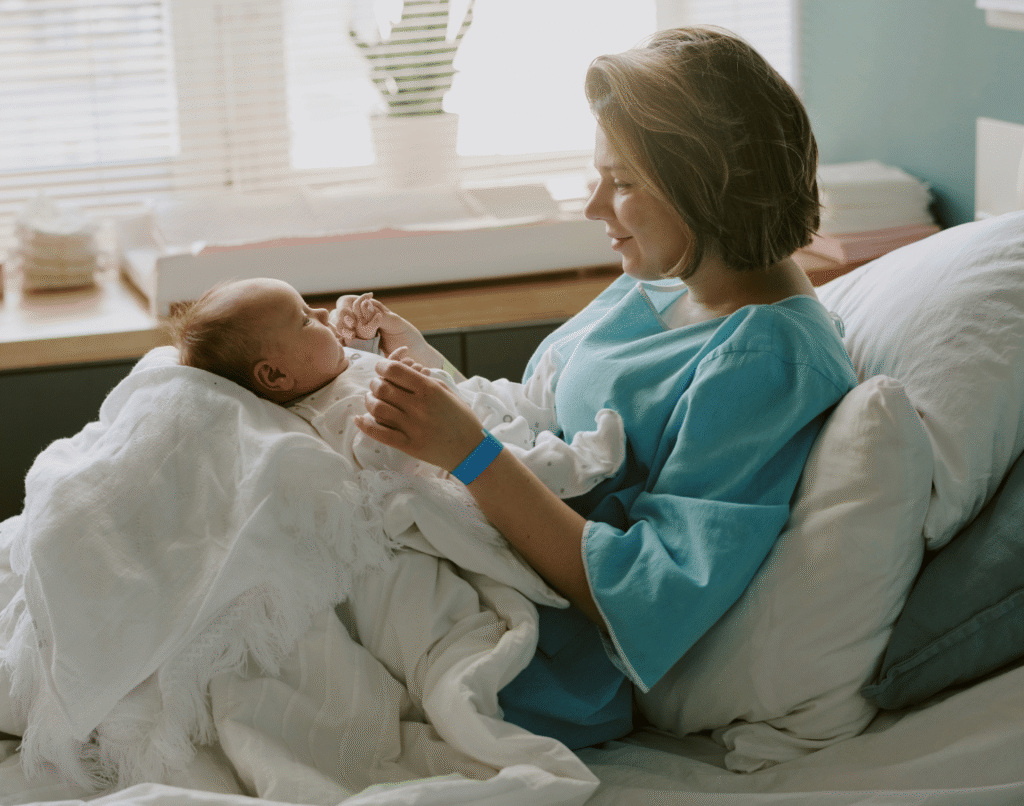
Welcoming a new baby is often called a joyful experience, but it can also feel overwhelming, tiring, and emotionally complicated. For some parents, these feelings turn into postpartum depression (PPD), a common but serious mental health condition that can happen during the first year after childbirth. PPD is more than just the “baby blues” and can deeply affect how someone feels, thinks, and takes care of themselves and their baby.
Many people do not realize how common postpartum depression is:
- It is estimated that 10 to 20 percent of new parents who have given birth experience PPD.
- People living in poverty experience PPD at twice the rate of those who are not living in poverty.
(MHA, Policy Center for Maternal Mental Health)
Symptoms of Postpartum Depression
PPD can show up in different ways for each person, but symptoms usually last more than a few weeks and get in the way of daily life. Common signs include:
- Persistent sadness, hopelessness, or frequent crying.
- Feeling overwhelmed, guilty, or like you are not a good parent.
- Difficulty bonding with the baby.
- Changes in appetite or sleep.
- Feeling irritable, angry, or emotionally numb.
- Loss of interest in activities once enjoyed.
- Trouble concentrating or making decisions.
- In more serious cases, some people may have thoughts of harming themselves or their baby.
These symptoms might show up soon after birth or develop slowly over time.
Treatment Options
The good news is that postpartum depression can be treated, and many people get better with the right support. Common treatment options include:
- Therapy: Cognitive behavioral therapy (CBT) and other types of talk therapy can help people work through their emotions and learn ways to cope.
- Medication: Antidepressants or other medicines might be suggested, depending on how severe the symptoms are and what each person needs.
- Lifestyle and support: Getting enough rest, having support from friends and family, and getting help with childcare can really help with recovery.
Recovery takes different amounts of time for everyone. Some people start to feel better after a few months of treatment, while others may need care for a longer time. Getting help early often leads to better results.
Caring for Yourself While Navigating Postpartum Depression
Self-care can feel out of reach with a new baby, especially when you’re dealing with postpartum depression. Even small, manageable steps can help you feel more balanced.
- Reach Out for Support: Connecting with friends, family, or support groups can ease isolation. Asking for help with your baby, even briefly, gives you time to rest and recharge.
- Move Your Body Gently: Activities like walking, stretching, or breathwork can boost mood and energy, thanks to natural brain chemicals that support well-being.
- Nourish Yourself: Eating balanced meals, even simple ones, can support your mental health. If cooking feels overwhelming, consider grocery delivery or asking others for help.
- Prioritize Rest: Sleep is often disrupted, but aiming for even a few uninterrupted hours can improve symptoms.
- Manage Stress: Short mindfulness moments or briefly stepping back when overwhelmed can help you reset.
Postpartum Depression vs. Postpartum Anxiety
Postpartum depression and postpartum anxiety are closely related and can happen at the same time, but they are different conditions.
Postpartum Depression (PPD):
- Dominated by feelings of sadness, emptiness, or hopelessness.
- May include low energy, disconnection, and loss of interest.
- Often involves difficulty bonding with the baby.
Postpartum Anxiety (PPA):
- Characterized by intense, persistent worry or fear.
- May include racing thoughts, irritability, panic attacks, or a constant sense that something is wrong.
- May lead to avoiding situations or feeling “on edge” much of the time.
PPD is mostly about feeling low or sad, while PPA is mainly about strong anxiety. Both are common, can be treated, and deserve care and attention.