Mental Health Matters This Hurricane Season—Here’s How to Prepare
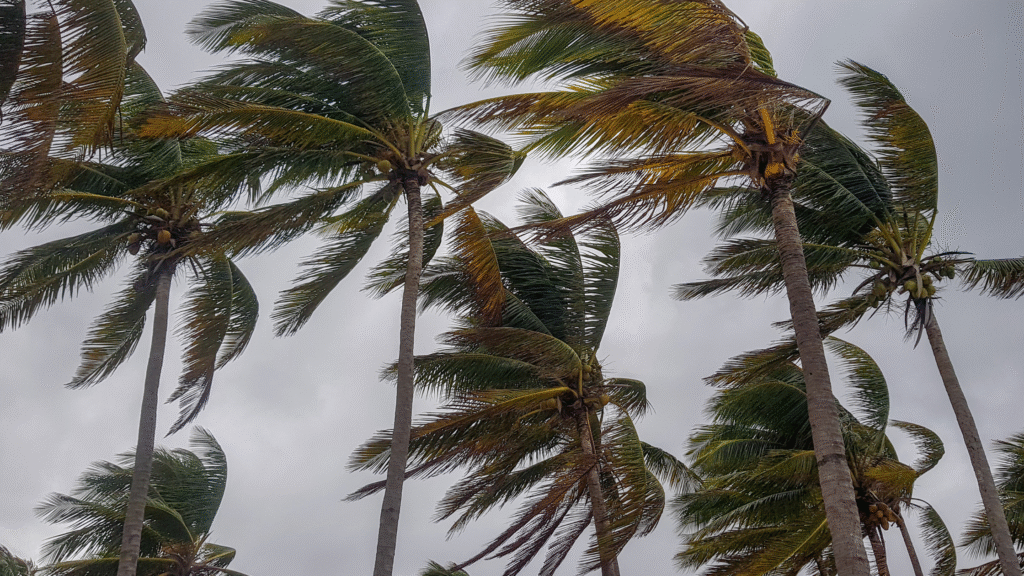
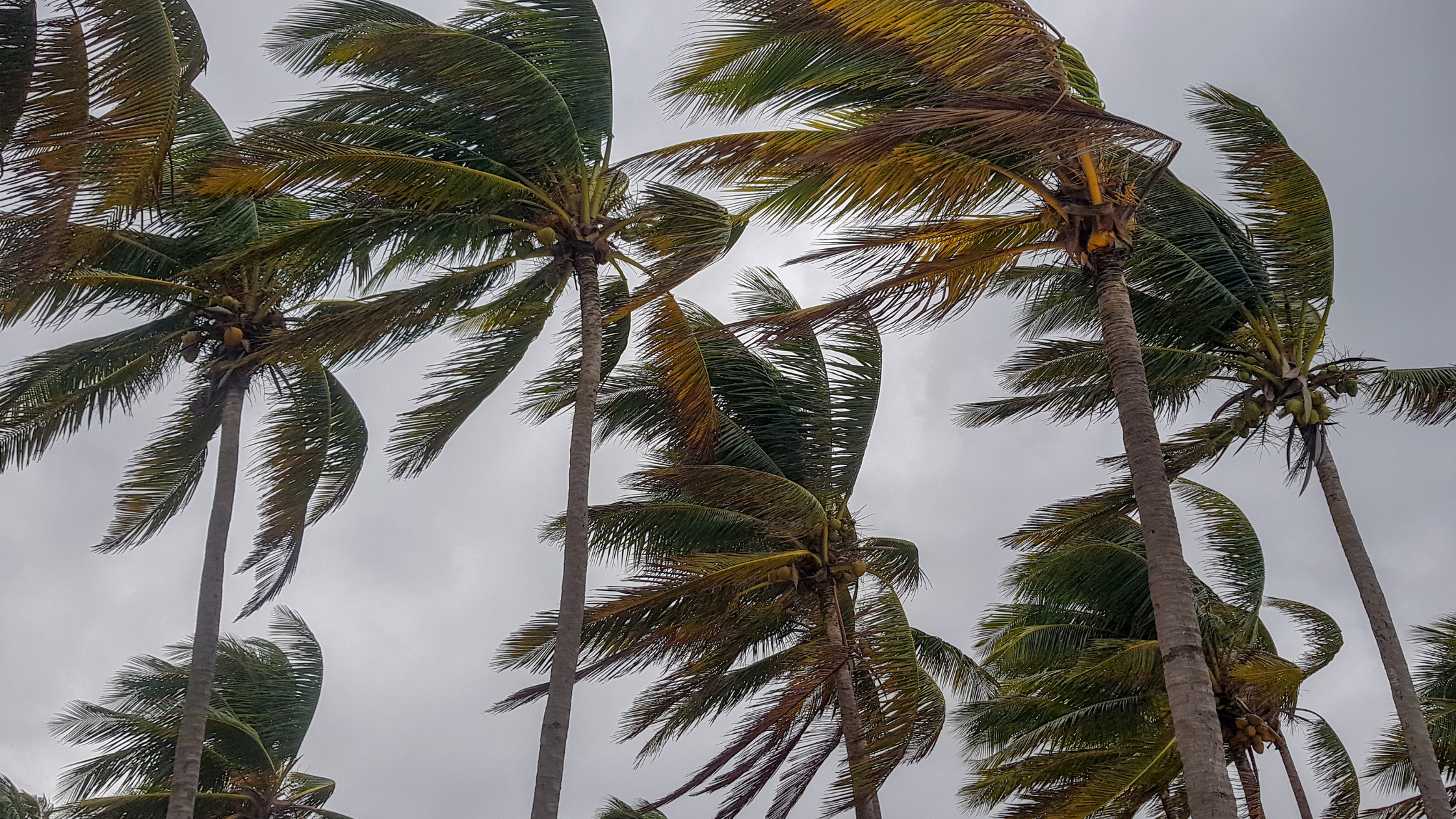
As hurricane season returns to Tampa Bay, our community is once again preparing for what the weather may bring. While in Florida, we know the drill: check the forecasts, gather supplies, and break out those hurricane shutters. It’s still worth remembering that we are not even one year removed from the double impact of last year’s Hurricanes Helene and Milton on our community. The toll this time of year can take on our mental health is real and worth devoting some attention to.
Disaster preparedness isn’t just about physical survival or preparing your home or business; it’s about emotional resilience, too. The stress of anticipating storms, making difficult decisions, and coping with uncertainty can take a toll on our sense of well-being. For many, it stirs up trauma from past storms or adds to the strain of already overwhelmed households.
Look, we can’t control the weather, but we can control how we prepare ourselves and our loved ones for the season ahead. Whether this is your first hurricane season in Florida or you’re a seasoned pro, we want you to know: your feelings are valid, and you’re not alone. This year, preparing for hurricane season means taking care of your whole self.
Here’s how to support your mental health before, during, and after a storm:
- Prepare to prepare: Your mental health is just as crucial as your storm kit. When stocking up on supplies, in addition to food and water, ensure you have access to comfort items that help soothe you, such as journals, books, favorite snacks, photos, or spiritual items. If you take medication, ensure you have a sufficient supply on hand. If you see a therapist, discuss your storm plan and coping strategies in advance.
- Check in with yourself: Find a quiet moment to reflect on your feelings about the upcoming hurricane season. This can be a great moment to journal or jot down your thoughts without judgment. Are you thinking a lot about past storms? Feeling anxiety, grief, anger, or fear? Noticing what you’re feeling can help you to support yourself better.
- Know who to call: For support from a counselor, call 211 locally or contact the National Disaster Distress Helpline at 1-800-985-5990 (call or text). For immediate mental health crisis support, call or text 988. Save these in your phone before you need them, just in case. Think of it as helping future you feel supported!
- Stay grounded in the storm: In moments of heightened stress, return to your breath. Grounding techniques like 5-4-3-2-1 (name five things you can see, four you can touch, etc.) can help your nervous system reset. These can be supportive, whether you’re in a stressful situation or feeling anxious about a potential future stressor.
- Talk it out: Sometimes we suffer in silence when we could be receiving support from trusted professionals and our community. And while you’re at it, have chats with loved ones, those you live with, and those in your immediate area about hurricane season. Perhaps an elderly community member needs help cleaning their yard, or a colleague nearby has a generator and can offer space to charge phones or prepare food. Building a network of support and understanding the needs of those around you can help you be a good neighbor and make you feel more secure.
Tampa Bay has a deep history of resilience, but that doesn’t mean we have to go it alone. By preparing both physically and emotionally, we strengthen ourselves and our entire community. And remember, we’re here for you, and we’ll keep showing up with resources, reminders, and care…no matter what’s in the forecast.
Sign up for our Newsletter